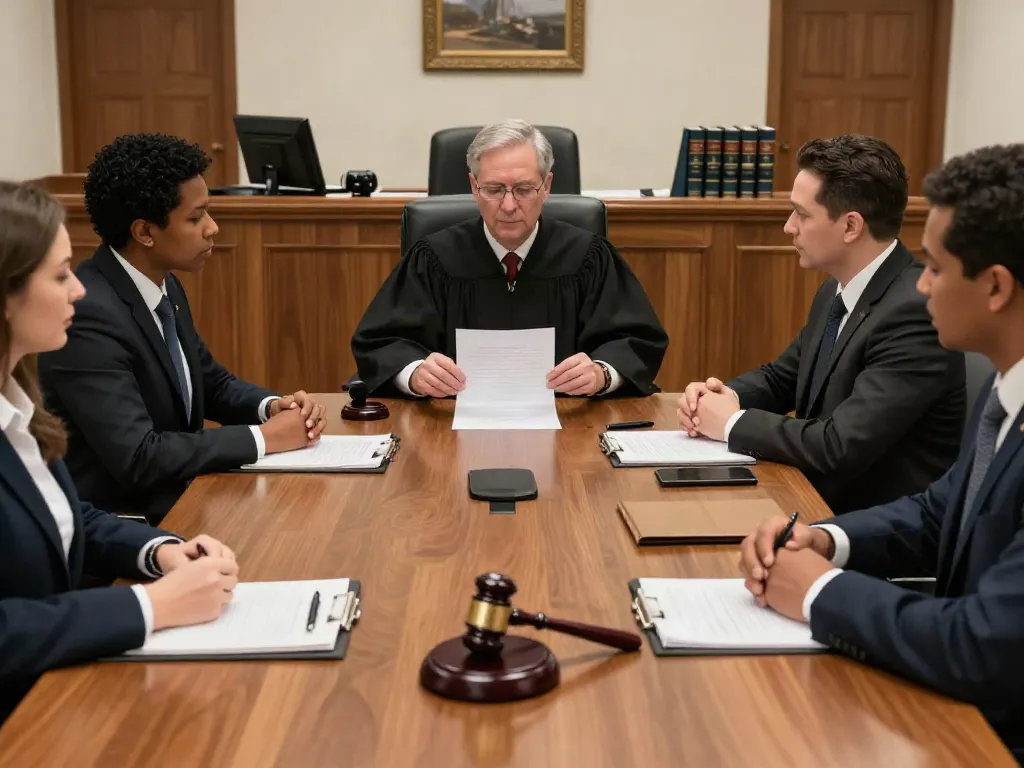
Understanding DUI Review Hearings in Forsyth County GA
Facing a DUI charge can be daunting, especially in Forsyth County, Georgia, where the legal ramifications can profoundly impact your life. A crucial step in the process is the DUI review hearing, which occurs after an arrest. This article aims to elucidate the significance of these hearings and the steps involved, offering you essential insights as you navigate your case. When exploring options, DUI review hearing Forsyth County GA provides comprehensive insights into this critical aspect of DUI litigation.
What is a DUI Review Hearing?
A DUI review hearing is a legal proceeding that addresses the administrative penalties following a DUI arrest, particularly concerning the suspension of your driver’s license. In Forsyth County, these hearings are adjudicated by the Georgia Department of Driver Services (DDS) and are vital for fighting license suspension. The hearing allows defendants to contest the basis of their arrest and any potential administrative actions related to their driving privileges.
Importance of Timeliness in Requesting Hearings
One of the most critical aspects of a DUI review hearing is the timeline. In Georgia, you have only 30 days from the date of your arrest to request a hearing. Missing this deadline can lead to a default suspension of your driver's license, making it imperative to act quickly. Upon your arrest, you should immediately consult with a DUI attorney who can help initiate the necessary hearing procedures.
Common Outcomes of Review Hearings
The outcome of a DUI review hearing can significantly affect your driving privileges and future legal standing. The hearing can yield several outcomes, including:
- License Suspension: If the evidence supports the arrest, your license can be suspended.
- Temporary License Issuance: A temporary license may be granted, allowing you to drive under certain conditions.
- Reinstatement: If successful, your driving privileges can be reinstated, averting extended suspension periods.
The Legal Process After a DUI Arrest
After a DUI arrest, navigating the legal process is crucial to ensure your rights are protected and to mount an effective defense. The experience can be overwhelming, but understanding the process can help alleviate some anxiety.
Initial Steps Following a DUI Arrest
The first step after a DUI arrest is to understand your rights. Law enforcement must inform you of your rights during the arrest, and any failure to do so could be grounds for a defense. After the arrest, securing legal representation is vital. An experienced DUI attorney can guide you through the various steps, including filing for ALS hearings and reviewing administrative procedures.
Gathering Evidence for Your Defense
Building a robust defense involves gathering substantial evidence. Your attorney will review police reports, witness statements, and any video footage available from the traffic stop. Moreover, scrutinizing the procedures followed by law enforcement provides an opportunity to challenge the legality of the arrest.
Understanding Administrative License Suspension
The administrative license suspension process often begins immediately following a DUI arrest. Drivers can face an automatic suspension if they refuse to take a breath, blood, or urine test. Understanding the implications of license suspension and the processes available to contest it is crucial for maintaining your ability to drive.
Factors Influencing DUI Case Outcomes
Several factors can influence the outcome of a DUI case, including the nature of the evidence, the conduct of law enforcement officers, and prior offenses. Each detail can play a crucial role in determining the success of your defense.
Evidence Evaluation by Attorneys
The skill of your attorney in evaluating evidence can significantly affect your case outcome. Your legal team should meticulously analyze all available evidence, including breathalyzer results, field sobriety test administration, and compliance with proper protocols by law enforcement. Any discrepancies can provide opportunities for dismissal or reduction of charges.
Role of the Prosecutor in Hearings
In DUI hearings, the prosecutor’s role is to establish that there is sufficient evidence to warrant a conviction. Understanding the prosecutor’s strategies can help your defense attorney counter their arguments effectively and protect your rights. Knowledge of the prosecutorial approach allows for targeted defenses that can exploit weaknesses in their case.
Impact of Prior DUI Offenses on Current Cases
Georgia law imposes severe penalties for repeat DUI offenders. If you have prior DUI convictions, these will undoubtedly impact your current case. Repeat offenders may face increased penalties, including longer license suspensions and mandatory jail time. Understanding the 'look-back' period and how it affects your case is essential for strategy formulation.
Strategies for a Successful Defense
An effective DUI defense requires comprehensive planning and execution. Collaboration with your attorney is vital to ensure all defense strategies are aligned with your goals.
Utilizing Expert Witnesses in DUI Cases
In complex DUI cases, expert witnesses can provide critical testimony that bolsters your defense. These experts might include toxicologists who can challenge the validity of blood alcohol content (BAC) results or law enforcement specialists who can testify about proper procedures. Engaging experts can significantly enhance your chances of success during the hearing.
Best Practices for Cross-Examination
Cross-examinations play a pivotal role in DUI hearings. A skilled defense attorney can utilize cross-examination to highlight inconsistencies in witness testimonies, particularly from the arresting officer. This process can uncover vital information that challenges the integrity of the prosecution's case.
Effective Communication with Your Defense Attorney
Maintaining open communication with your DUI attorney is crucial to navigating your case effectively. Being honest and providing all necessary details enables your attorney to prepare adequately and build the best defense possible. Regular updates and discussions regarding your case status also foster a collaborative approach to your defense.
Future Trends in DUI Legislation and Enforcement
As society evolves, so does the landscape of DUI laws and enforcement practices. Staying informed about these trends can assist individuals facing DUI charges in better preparing their defense strategies.
Predictions for Changes in Georgia DUI Laws by 2026
Over the next few years, DUI laws in Georgia are likely to become stricter. Predicted changes may include harsher penalties for first-time offenders and increased focus on repeat offenders. These trends aim to deter impaired driving and minimize its consequences on society.
Impact of Technology on DUI Prosecutions
Advancements in technology are changing how DUI cases are prosecuted. From breathalyzer devices to body cams, technology can provide crucial evidence. Future cases may revolve around the usage and reliability of this technology, thereby influencing outcomes significantly.
Community Resources for DUI Education and Support
As DUI enforcement heightens, communities are increasingly offering educational resources for drivers. Programs designed to educate the public about the dangers of impaired driving and available support can play a key role in prevention efforts. Engaging with these resources can foster a more informed public, potentially reducing DUI incidents.
What are the chances of getting a DUI dismissed in Georgia?
The chances of getting a DUI dismissed can depend on various factors, including the strength of the evidence against you and the strategies employed by your attorney. A thorough examination of the circumstances surrounding your arrest plays a crucial role in determining your case's viability for dismissal.
How long does a DUI hearing last?
A DUI hearing typically lasts between 30 minutes to several hours, depending on the complexity of the case. Factors such as the number of witnesses and the amount of evidence presented can affect the duration of the hearing.
How likely is jail time for my first DUI in Georgia?
While jail time for a first DUI offense is not mandatory, it is possible. Penalties may include fines, community service, and driver’s license suspension rather than incarceration, especially for first-time offenders. Factors such as BAC levels and other aggravating circumstances can influence sentencing.
What is the 3-hour rule for DUI in Georgia?
The 3-hour rule refers to the time frame within which a breathalyzer test must be administered following a DUI arrest to be considered valid. If more than three hours elapse, the results may be contested, potentially aiding your defense.
How can I prepare for a DUI review hearing?
Preparation for a DUI review hearing involves gathering relevant documents, understanding the legal process, and working closely with your attorney. Being proactive can significantly impact the outcome of your hearing.