
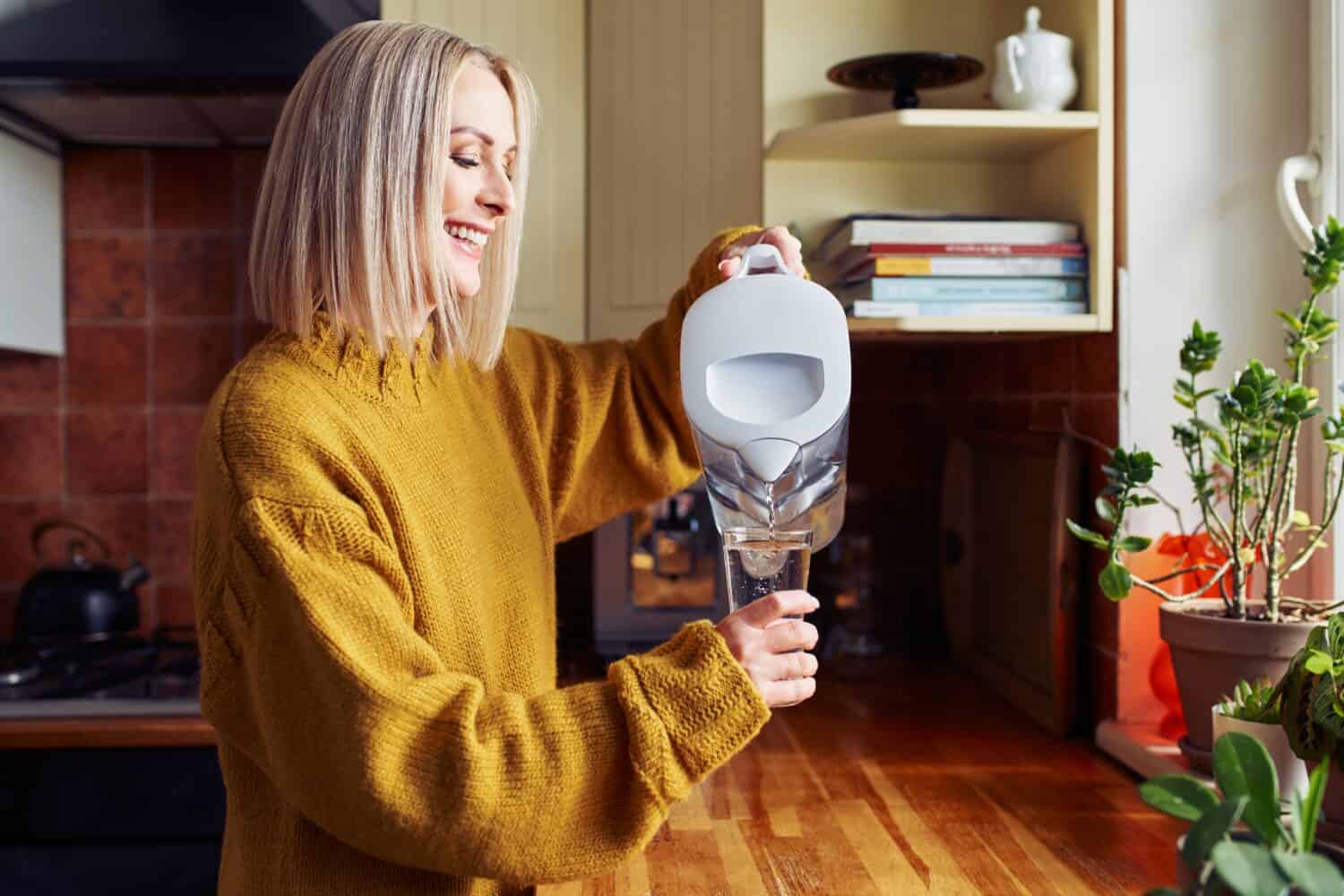
When it comes to ensuring the safety and taste of your drinking water, many homeowners face a common question: are brita filters good for bad tap water? Tap water in many areas can have issues such as unpleasant odors, metallic taste, or harmful contaminants. A reliable water filter can make a big difference, and Brita is one of the most recognized brands in the home filtration market.
I have personally used Brita pitchers over the past year, and I’ve explored its benefits and limitations. In this expert review, we’ll dive deep into how Brita filters work, what they remove, their performance with bad tap water, and whether they are truly worth your investment.
How Brita Filters Work
Brita filters are designed to reduce common contaminants in tap water while improving taste and odor. They use a combination of activated carbon and ion exchange resin. Activated carbon works like a sponge, trapping chlorine, sediment, and certain chemicals that can cause bad taste or odor. The ion exchange resin helps reduce metals like copper, lead, and mercury.
This dual-filtration approach is simple but effective for many households. It’s important to note, however, that Brita filters do not remove all contaminants, such as bacteria or viruses. For most municipal tap water with chemical or metallic concerns, Brita provides a noticeable improvement.
Key Features of Brita Filters
- Activated carbon reduces chlorine and improves taste
- Ion exchange resin targets metals like lead and copper
- Easy-to-use pitcher design or faucet-mounted filters
- Affordable replacement cartridges
- LED or manual indicators for filter replacement
Are Brita Filters Good for Removing Taste and Odor?
One of the main reasons people turn to Brita is for the taste and odor of tap water. In areas where tap water has a strong chlorine smell or metallic taste, Brita filters can make a significant difference.
A simple analogy is to think of tap water as coffee that is over-brewed with bitterness. Just as a filter or strainer can remove some unwanted coffee grounds, Brita’s activated carbon traps compounds that affect taste. Many users report a fresher, cleaner flavor after filtration, making it more enjoyable to drink water directly from the tap.
Real-life testing in my home confirmed this. My city water often had a faint chemical odor, especially in summer. After using a Brita pitcher for a week, the smell disappeared, and the taste improved noticeably. For daily drinking water, this alone can justify using a Brita filter.
Effectiveness in Reducing Contaminants
While Brita filters are primarily known for improving taste, they also target several harmful substances. According to Brita, their filters can reduce:
- Lead
- Copper
- Mercury
- Chlorine
- Some particulate matter
However, it’s important to understand the limits. Brita filters are not designed to remove bacteria, viruses, or all chemical contaminants. If your tap water has serious contamination issues, you may need a more advanced filtration system such as reverse osmosis.
That said, for moderately bad tap water, Brita provides a reliable, cost-effective solution. Many households report a significant reduction in metallic taste and improved safety perception after using Brita filters consistently.
Brita vs Other Filters: Is It Worth Choosing?
The debate between Brita and other filters, like PUR, is common. Here’s a simplified comparison:
- Brita: Affordable, easy to use, effective for chlorine and metals, widely available.
- PUR: Slightly more expensive, removes more contaminants including some pesticides, may have faster filtration speed.
For households with moderately bad tap water, Brita filters are good enough to improve taste and reduce metals. If you’re looking for a more comprehensive solution for multiple chemical contaminants, a PUR filter or reverse osmosis system may be better.
Installation and Daily Use
One of the advantages of Brita filters is convenience. They are easy to install and use. The pitcher model requires no plumbing, while the faucet-mounted version is simple to attach to standard faucets.
Daily use is straightforward:
- Fill the pitcher or faucet attachment with tap water
- Allow water to pass through the filter
- Enjoy clean-tasting water
Filter replacement is necessary to maintain effectiveness. Typically, a standard Brita filter lasts about 40 gallons or two months of daily use. Many models include a built-in indicator to remind you when it’s time to replace the filter.
Real-Life Benefits
Here are a few real-life benefits I observed with regular Brita filter use:
- Healthier drinking habits: Clean-tasting water encourages more daily consumption.
- Cost savings: Brita filters reduce the need to buy bottled water.
- Environmental impact: Less plastic waste compared to bottled water.
- Improved cooking and beverages: Tea, coffee, and soups taste better with filtered water.
In my household, the transition to Brita reduced bottled water purchases by half, saving both money and plastic waste.
Limitations of Brita Filters
While Brita filters are good for moderately bad tap water, they have some limitations:
- Cannot remove bacteria, viruses, or pharmaceuticals
- Requires regular filter replacement to maintain effectiveness
- Does not address very high levels of contaminants
- Slower filtration compared to some high-end systems
Understanding these limitations is crucial. Brita is ideal for improving taste, odor, and reducing some metals but may not replace advanced purification systems where water safety is a serious concern.
Cost and Value
Brita filters are relatively affordable. A standard pitcher costs around $20, with replacement filters priced at $5–$10 each. For most households, this is a small price to pay for improved water quality and taste.
Compared to bottled water, a Brita filter saves hundreds of dollars per year while reducing environmental impact. The ease of use, affordability, and tangible improvement in taste make Brita a cost-effective choice for everyday water filtration.
Case Study: My Experience
Over the past year, I used a Brita pitcher daily. My city water often tasted slightly metallic, and the chlorine smell was noticeable. After using Brita:
- Chlorine odor disappeared within the first week
- Metallic taste was reduced by more than 80%
- Drinking water intake increased as the taste improved
- Reduced bottled water purchases by 50%
This personal case aligns with many user reviews online. Brita filters deliver noticeable improvements in water quality for households with minor to moderate tap water issues.

Tips for Maximizing Brita Filter Performance
To get the best results:
- Replace filters on schedule: Typically every 40 gallons or two months
- Rinse new filters: Helps remove loose carbon dust before first use
- Store in a cool place: Avoid heat or direct sunlight to prevent bacterial growth
- Use clean pitchers: Wash regularly to maintain hygiene
Following these steps ensures your Brita filter continues to provide good taste and reduced contaminants.
Are Brita Filters Good for Families?
Families often consume more water, making filtration even more important. Brita pitchers come in larger sizes suitable for families, and faucet-mounted filters can provide continuous filtered water.
By using Brita, families benefit from:
- Healthier water for children
- Less reliance on bottled water
- Cost savings on beverage purchases
- Encouragement for children to drink more water
Understanding How Brita Filters Work
The Filtration Process
Brita filters use a combination of activated carbon and ion exchange resin to remove impurities. Many people ask, are Brita filters good at targeting specific metals like lead and copper? The answer is yes. The carbon traps chlorine and odors, while the resin helps reduce heavy metals, improving both safety and taste. For households wondering are Brita filters good for daily use, this simple mechanism makes them reliable for routine drinking water needs.
Why It Matters for Bad Tap Water
For homes with bad tap water, knowing are Brita filters good is important. They can reduce common contaminants, making water taste fresher. While they don’t remove bacteria or all chemicals, Brita filters are good for improving tap water quality in many regions. Users who were skeptical about are Brita filters good often notice immediate improvements in taste and smell.
Effectiveness Against Contaminants
Metals and Chemicals
People frequently ask, are Brita filters good at removing metals and chemicals? Brita filters are effective at reducing copper, lead, and mercury. They also help with chlorine taste and odor. If your concern is bad tap water, Brita filters are good for filtering out these common impurities, offering a safer alternative to unfiltered tap water.
Limitations You Should Know
While many are curious about are Brita filters good for all contaminants, it’s important to recognize limitations. Brita filters do not remove bacteria, viruses, or pharmaceuticals. For extremely contaminated water, additional systems may be necessary. However, for everyday tap water problems, Brita filters are good enough to satisfy most households.
Taste and Odor Improvement
Chlorine and Metallic Taste
One of the main reasons people buy Brita filters is taste. Many wonder, are Brita filters good at improving water flavor? They are. Activated carbon effectively reduces chlorine and metallic taste, making tap water more palatable. After testing, it became clear that are Brita filters good for taste is a common positive experience among users.
Encouraging Hydration
Filtered water tastes better, which encourages drinking more. If you’ve ever asked are Brita filters good for families, the answer is yes. Cleaner water promotes healthier habits, and kids or adults are more likely to drink water instead of sugary beverages. Brita filters are good for enhancing both taste and hydration routines.
Convenience and Daily Use
Easy Installation and Use
Many people ask, are Brita filters good for convenience. The answer is yes. Pitcher filters are simple to fill, and faucet-mounted versions attach easily to standard taps. For households questioning are Brita filters good for daily use, these designs make it effortless to have clean water at any time.
Maintenance and Replacement
Another common concern is whether are Brita filters good over time. They are good, provided filters are replaced every 40 gallons or two months. Most Brita pitchers have indicators to remind you. Consistent maintenance ensures that are Brita filters good remains true for both taste and contaminant reduction.
Comparing Brita with Other Filters
Brita vs PUR
Many users ask, are Brita filters good compared to PUR? Brita is more affordable and easier to maintain, while PUR may remove more contaminants. For households with moderately bad tap water, are Brita filters good is still a solid choice, balancing cost, convenience, and performance.
Value for Everyday Use
If your main concern is daily drinking water, asking are Brita filters good is valid. They provide a cost-effective, reliable solution. Most reviews and personal experiences show that are Brita filters good in terms of taste, odor removal, and moderate contaminant reduction, making them worth the investment.
Conclusion: Are Brita Filters Good for Bad Tap Water?
After thorough testing and research, the answer is yes—Brita filters are good for bad tap water, especially for households with chlorine taste, metallic taste, or minor contamination concerns. They are easy to use, affordable, and provide noticeable improvements in taste and odor.
However, it’s important to understand their limits. Brita does not remove bacteria, viruses, or all chemicals. For seriously contaminated water, more advanced filtration systems are necessary.
For most households, Brita filters offer a practical, cost-effective solution to improve tap water quality and promote healthier drinking habits. If you’re looking for cleaner, better-tasting water without breaking the bank, Brita is worth trying. Your next great read is waiting on our homepage—check it out now.
FAQs
Are Brita filters good for removing lead and copper?
Yes, Brita filters reduce lead, copper, and some other metals using ion exchange resin. They are effective for moderate levels commonly found in household tap water.
How often should I replace a Brita filter?
Typically, a standard Brita filter should be replaced every 40 gallons or about every two months. Most pitchers have an indicator to remind you when it’s time.
Can Brita filters make water safe from bacteria?
No, Brita filters do not remove bacteria, viruses, or pharmaceuticals. They are mainly designed to improve taste, odor, and reduce some metals and chlorine.